
Portable Power Stations: Specs & Capacity Catalog
Browse portable power stations by rated capacity, AC output, charging limits, and weight. Sort the catalog and open each model for its specifications.
Use this catalog to compare model specifications and sort by capacity. Open a station for its outlet limits, charging details, and calculated runtime. For a shortlist built around camping, CPAP nights, or refrigerator backup, read our Best Portable Power Stations guide: picks by use case.
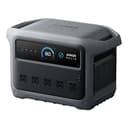
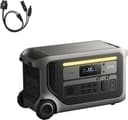
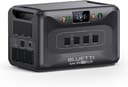
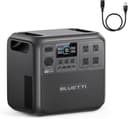
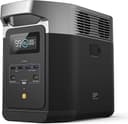
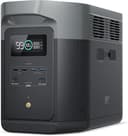
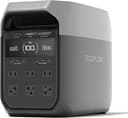
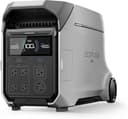
Reading the station specifications
Capacity and output use different units
Rated capacity in Wh describes stored energy. Continuous output in W describes the load the inverter is rated to supply. Motor startup needs a separate check of peak output, outlet current, and surge duration. Surge watts vs running watts explains those labels.
Rated capacity and estimated usable energy
The catalog lists rated battery capacity. Our product pages also show an AC planning estimate of rated Wh × 0.85: 1024Wh becomes about 870Wh. Divide that estimate by average device watts for runtime. The Power Lab combines several devices and checks their running and startup demand separately.
Cycle life needs a capacity endpoint
Compare both the cycle count and the remaining-capacity threshold. A rating to 70% capacity cannot substitute for one to 80% in our longevity rubric. Cycle counts also do not predict calendar life: storage, temperature, and charging conditions matter. LiFePO4 vs NMC explains the chemistry tradeoffs.
Read charging limits with the setup
AC recharge figures should identify the included supply and charge range. Solar wattage is an input ceiling; each port also has voltage, current, and connector requirements. Product pages keep these qualifications beside the specifications. Use the solar recharge calculator to estimate refill time for your panel and local sun hours.